This 15 days Morocco tour From Tangier: combines imperial cities, Sahara adventure, Berber culture, and coastal beauty in one unforgettable journey.
Tour Highlights: 15 days Morocco tour From Tangier
• Explore Tangier, Morocco’s historic gateway between Africa and Europe
• Walk through the blue streets of Chefchaouen
• Discover the medieval medina of Fes with a local guide
• Visit Al Quaraouiyine University and traditional tanneries
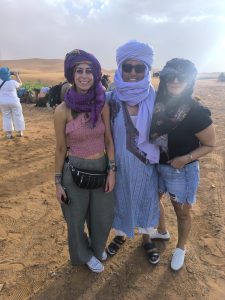
• Experience a camel trek in the Merzouga Sahara Desert
• Watch sunset and sunrise over the golden dunes
• Spend a night in a traditional desert camp
• Explore Dades Gorges and Berber villages
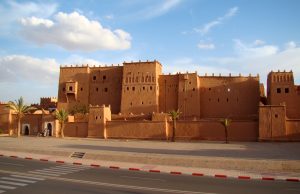
• Visit Ouarzazate, the gateway to the Sahara
• Enjoy the Atlantic coast in Agadir
• Discover the artistic medina of Essaouira
• Explore Marrakech with a guided city tour
• Experience Jemaa el-Fna Square and colorful souks
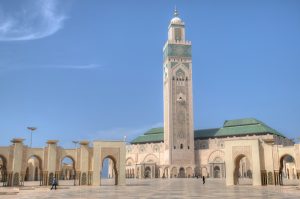
• Visit Casablanca and the Hassan II Mosque
• Discover Rabat, Morocco’s capital city
• Return to Tangier via scenic northern routes
Itinerary: 15 days Morocco tour From Tangier
Day 1: Tangier – Chefchaouen
Tangier is a historic gateway between Africa and Europe. For centuries, it attracted Phoenicians, Romans, Arabs, and Europeans, making it one of Morocco’s most cosmopolitan cities. After departure, travel through the Rif Mountains, a region deeply rooted in Amazigh culture.
Chefchaouen, founded in the 15th century by Andalusian refugees, is famous for its blue-washed streets. The color blue symbolizes spirituality and protection. The town preserves a strong Andalusian and Berber identity, reflected in its architecture, crafts, and relaxed way of life.
Day 2: Chefchaouen – Fes
Travel south toward Fes through fertile landscapes and traditional villages. Fes is Morocco’s spiritual and intellectual capital. Founded in the 9th century, it became a major center of Islamic learning and culture. Upon arrival, settle into your riad and enjoy the atmosphere of a city where tradition remains deeply rooted.
Day 3: Fes – Cultural Guided Tour
Fes is one of the world’s best-preserved medieval cities. Its UNESCO-listed medina, Fes el-Bali, is home to Al Quaraouiyine University, the oldest continuously operating university in the world.
Explore ancient madrasas, mosques, traditional tanneries, and artisan souks organized by craft, just as they were centuries ago. Fes represents the heart of Moroccan religious life, scholarship, and craftsmanship.
Day 4: Fes – Merzouga Desert
Leave Fes and cross the Middle Atlas Mountains, historically inhabited by Amazigh tribes. Pass cedar forests and oasis valleys that once supported caravan routes.
Arrive in Merzouga, at the edge of the Sahara Desert. This region was historically a key stop for trans-Saharan trade connecting Morocco to sub-Saharan Africa. A camel trek into the Erg Chebbi dunes offers a timeless desert experience.
Day 5: Merzouga – Desert Culture Experience
Merzouga reflects the soul of the Sahara. The region is shaped by nomadic traditions, Berber culture, and Gnawa music brought by African traders centuries ago.
Watch the sunrise over the dunes and learn about desert life, hospitality, and survival in one of the world’s most extreme environments. A night in the desert camp highlights the deep connection between people and nature.
Day 6: Merzouga – Dades Gorges
Travel from the desert into the High Atlas foothills. The Dades Gorges reveal spectacular rock formations shaped by erosion over millions of years.
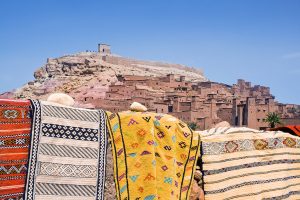
This region is known for traditional kasbahs built from earth and stone, reflecting Amazigh architectural knowledge and adaptation to the mountain environment.
Day 7: Dades Gorges – Ouarzazate
Continue toward Ouarzazate, historically an important crossroads of trade routes linking the Sahara to northern Morocco.
Today, Ouarzazate is famous for its kasbahs and film studios, earning it the nickname “The Gateway to the Desert.” The city represents southern Morocco’s strategic and cultural heritage.
Day 8: Ouarzazate – Agadir
Travel through the Anti-Atlas Mountains, a region dominated by Amazigh communities and argan tree landscapes.
Arrive in Agadir, a modern coastal city rebuilt after the devastating 1960 earthquake. Unlike imperial cities, Agadir represents contemporary Morocco, focused on tourism, fishing, and economic development.
Day 9: Agadir – Coastal Culture
Enjoy a full day in Agadir, Morocco’s leading Atlantic resort city. Agadir’s culture is deeply shaped by the ocean, fishing traditions, and the Amazigh population, whose language, music, and customs define the Souss region. Unlike Morocco’s imperial cities, Agadir represents a modern chapter of the country’s history, rebuilt after the devastating earthquake of 1960 with wide boulevards and a relaxed coastal atmosphere.
Visit the Kasbah of Agadir Oufella, perched on a hill overlooking the city. This historic fortress dates back to the 16th century and offers valuable insight into Agadir’s past before the earthquake. From the kasbah, enjoy panoramic views over the bay, the port, and the Atlantic Ocean. Spend the rest of the day strolling along the beachfront promenade, exploring the marina, or discovering local souks and cafés. Agadir’s blend of Amazigh heritage, seaside lifestyle, and modern Moroccan culture makes it a unique and relaxing stop on your journey.
Day 10: Agadir – Essaouira
Drive north along the Atlantic coast to Essaouira, a UNESCO World Heritage city.
Essaouira’s history includes Portuguese fortifications, Jewish heritage, and a long tradition of maritime trade. It is also a cultural center for Gnawa music and contemporary arts, symbolizing Morocco’s spirit of coexistence and creativity.
Day 11: Essaouira – Marrakech
Leave the coast and travel inland to Marrakech. Founded in the 11th century, Marrakech became a major imperial capital and trading hub linking Africa, the Sahara, and the Mediterranean.
The city’s red walls and palm groves reflect its historical power and strategic importance.
Day 12: Marrakech – Cultural Guided Tour
Explore Marrakech’s medina with a local guide. Visit Koutoubia Mosque, Bahia Palace, and Saadian Tombs.
Jemaa el-Fna Square represents Morocco’s living oral heritage, with storytellers, musicians, and performers. Marrakech embodies Moroccan art, architecture, and daily life.
Day 13: Marrakech – Casablanca
Travel to Casablanca, Morocco’s economic capital and largest city.
Casablanca developed mainly in the 20th century and blends modern urban life with Moroccan identity. The Hassan II Mosque, built partly over the Atlantic Ocean, symbolizes modern Moroccan craftsmanship and spirituality.
Day 14: Casablanca – Rabat
Drive to Rabat, Morocco’s political and administrative capital, a city where history and modern governance exist side by side. Founded in the 12th century during the Almohad dynasty, Rabat was originally built as a fortified military and religious center. Over the centuries, it evolved into the seat of royal power and today serves as the country’s governmental heart.
Visit the iconic Hassan Tower, an unfinished minaret that stands as a symbol of Almohad ambition and architectural mastery. Nearby, explore the Mausoleum of Mohammed V, an elegant white-marble monument honoring Morocco’s former king and showcasing refined Moroccan craftsmanship. Continue to the Kasbah of the Oudayas, a historic fortress overlooking the Atlantic Ocean, known for its Andalusian-style streets, peaceful gardens, and panoramic views. Rabat’s blend of ancient heritage, royal history, and contemporary life offers a deeper understanding of Morocco’s past and present.
Day 15: Rabat – Tangier
Return to Tangier along the northern route. Tangier has long inspired artists, writers, and travelers due to its strategic position and multicultural character.
Your journey ends in a city that represents Morocco’s openness to the world and the meeting point of cultures.
What’s Included
• Pick-up and drop-off in Tangier (hotel, airport, or port)
• Private air-conditioned vehicle
• Professional English-speaking driver/guide
• Guided city tours in Fes and Marrakech
• Accommodation in hotels or riads (14 nights)
• 1 night in Merzouga desert camp
• Camel trek in Erg Chebbi dunes (one camel per person)
• Daily breakfast
• Dinner in the desert camp and selected locations
• Fuel, road taxes, and transportation costs
What’s Not Included
• Lunches and drinks
• Entrance fees to monuments (unless stated)
• Personal expenses
• Tips for driver and guides
• Flights to and from Morocco